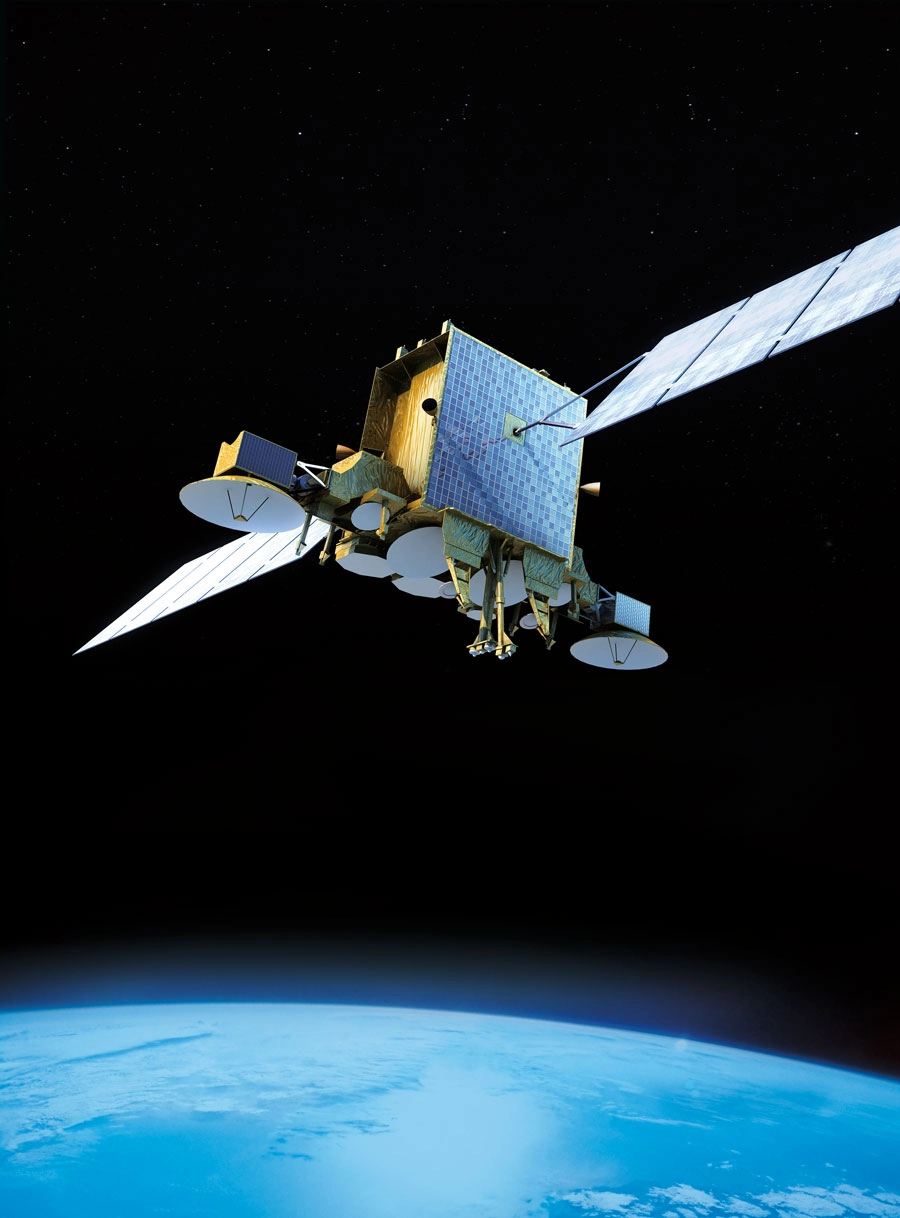
ArabSat is one of the most prominent communication satellites in the Arab world, providing vital services across the Middle East, North Africa, and Europe. Since its launch in 1985, ArabSat has revolutionized satellite television, radio broadcasting, and telecommunications in the zone.
With its strategic position in space, ArabSat has become an essential platform for delivering high-quality services to millions of watchers and businesses.
🚀 On the subject of ArabSat
ArabSat is owned by the Arab States Broadcasting Union (ASBU) and serves as a regional hub for satellite communications. It provides a wide range of services including:
-
Satellite television and radio broadcasting
-
Telecommunications
-
Internet services
-
Corporate communications
ArabSat has been key in connecting countries across the Arab world and delivering content from both local and international broadcasters. The satellite is known for its reliability and vast coverage, offering seamless connectivity in urban and remote areas alike.
🌐 ArabSat’s Satellite Fleet
ArabSat operates a fleet of satellites positioned at various orbital slots. These satellites are strategically placed to ensure optimal coverage across the Middle East, North Africa, and parts of Europe. The fleet includes:
-
ArabSat 6A
-
ArabSat 5C
-
ArabSat 4B
-
ArabSat 4A
-
ArabSat 2 (and more)
Each satellite is equipped with high-powered transponders that enable broadcast services, including high-definition (HD) television, radio channels, and internet connectivity.
🛰️ Frequencies and Services on ArabSat
ArabSat offers a wide range of frequencies across different bands, including C-band, Ku-band, and Ka-band. These frequencies are used for:
-
television and radio channels
-
Internet and data transmission
-
Private corporate communication networks
The specific frequencies used for different services can vary depending on the location of the user, and ArabSat offers detailed guidelines on how to access its channels and services across the appropriate frequencies.
For watchers and users who want to find the right frequencies for their satellite equipment, Sat Index is the perfect platform. Sat Index provides a detailed guide on ArabSat frequencies, helping users access satellite television channels, radio stations, and communication services easily.
📡 How to Receive ArabSat Signals
To access ArabSat’s signals, users must have a satellite dish installed and properly aligned to the satellite’s position. The most common frequencies used for ArabSat television and radio services include:
-
C-band: Typically used for long-range communication and high-quality television broadcasts.
-
Ku-band: Often used for regional television broadcasting, offering high-definition channels.
-
Ka-band: Used for higher bandwidth services, including satellite internet.
By following the frequency guidelines available on Sat Index, users can ensure that their satellite systems are tuned to the correct frequencies to receive the best possible service.
ArabSat continues to play a pivotal role in the communication and broadcasting landscape of the Arab world. Its reliable services and wide coverage make it an indispensable tool for watchers, broadcasters, and businesses across the zone. If you want to access ArabSat’s satellite channels or learn more On the subject of its frequencies, Sat Index is your go-to resource for all the information you need.
Choosing Professional Reception Equipment for Homes
- Select receivers that support multiple satellites for broader coverage.
- Choose devices with high sensitivity for weak signal areas.
- Look for features like recording, EPG, and HD/4K support.
- Ensure compatibility with existing LNBs and dish setups.
- Opt for reliable brands with good customer support and warranty.
Maintaining the Entire System to Prevent Sudden Failures
- Regularly inspect all components for wear or damage.
- Clean the dish and LNB to remove dust and debris.
- Check connections periodically to ensure stable performance.
- Update decoder software to maintain compatibility and performance.
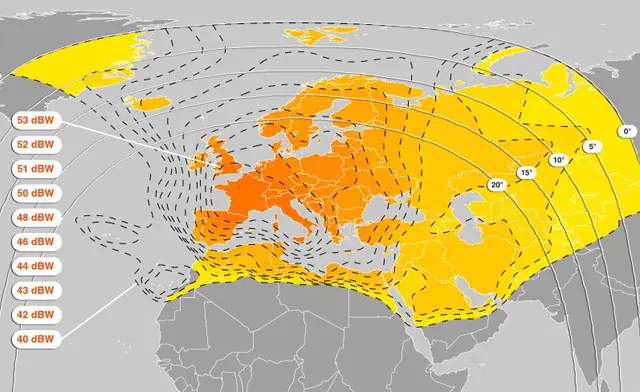
How to Read a Satellite Coverage Map
- Understand the satellite footprint and signal strength contours.
- Check the elevation and azimuth angles for your specific location.
- Use maps to identify potential obstructions affecting reception.
- Consider regional variations in signal quality before installation.
Tips to Reduce Failures and Extend Device Lifespan
- Regularly clean devices to remove dust and debris.
- Avoid running devices continuously for long periods to reduce thermal stress.
- Ensure proper ventilation to prevent overheating.
- Use voltage stabilizers or UPS to protect devices from power fluctuations.
- Periodically check connections and cables to prevent sudden malfunctions.
Maintaining the Entire System to Prevent Sudden Failures
- Regularly inspect all components for wear or damage.
- Clean the dish and LNB to remove dust and debris.
- Check connections periodically to ensure stable performance.
- Update decoder software to maintain compatibility and performance.
How to Choose the Right Satellite for Your Geographic Location
- Identify which satellites cover your area using satellite footprints.
- Consider signal strength and elevation angles for your location.
- Check local regulations for satellite dish installations.
- Use online tools or apps to find the optimal satellite for your needs.