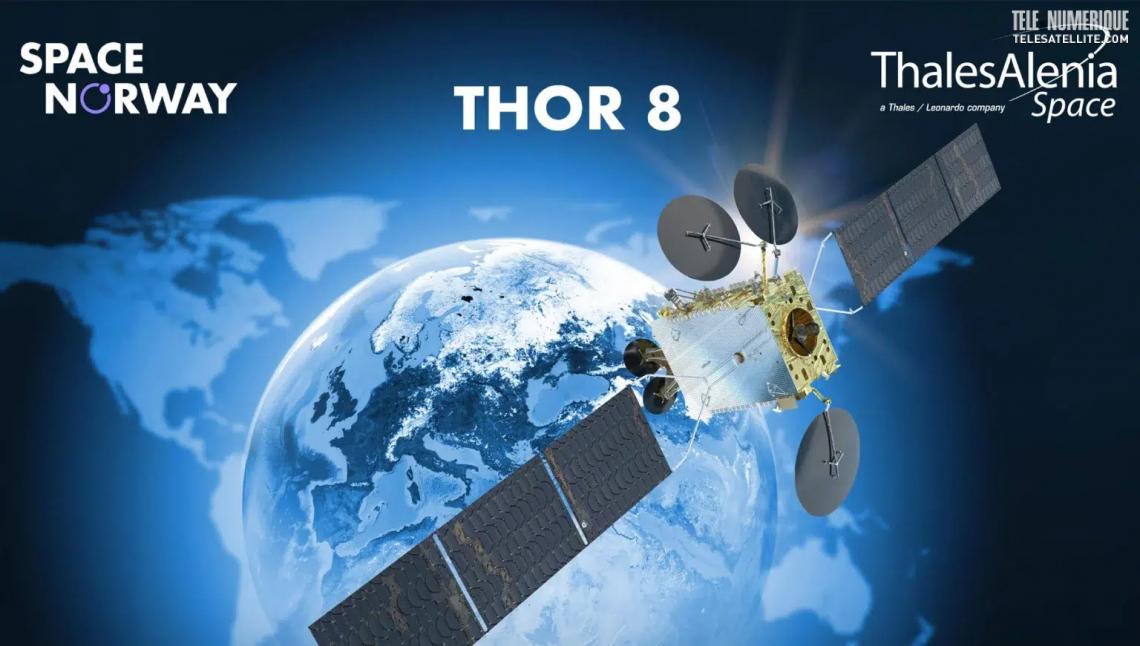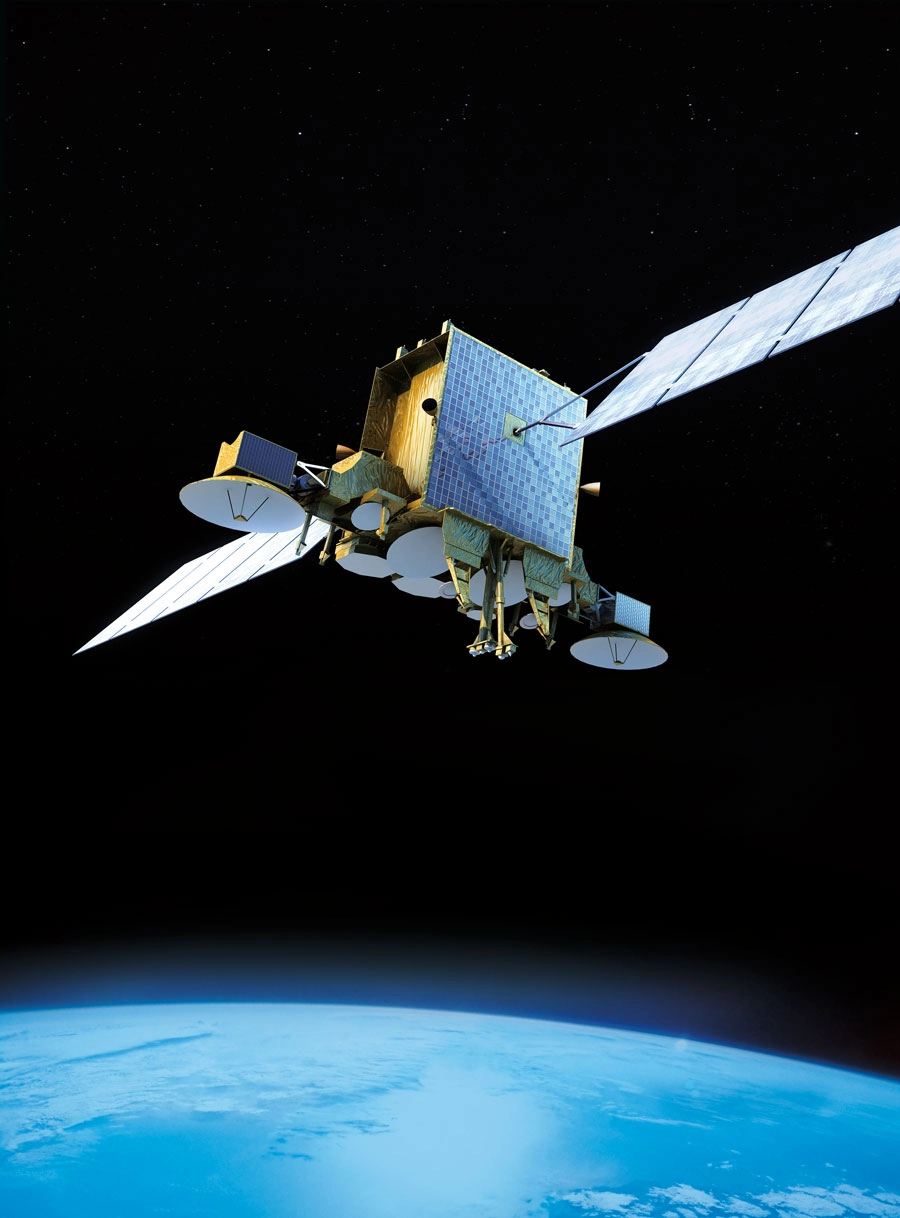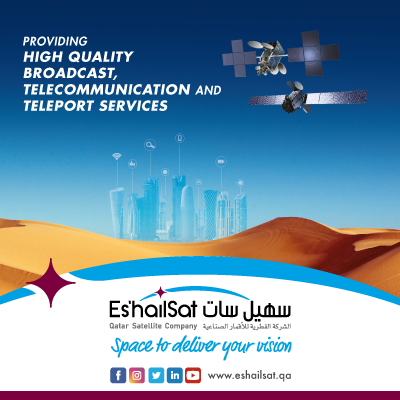
SuhailSat is Qatar’s flagship satellite, offering high-quality broadcasting and communication services across the Middle East, North Africa, and parts of Europe. Operated by Es’hailSat, the company founded in Doha, SuhailSat represents a major step in Qatar’s ambitions to become a leader in space technology and satellite broadcasting.
Launched to provide secure, reliable, and high-performance satellite services, SuhailSat supports television channels, broadband internet, and secure communications for both governmental and commercial clients.
🚀 On the subject of SuhailSat
The name SuhailSat is inspired by the Arabic name for the Canopus star (Suhail), one of the brightest stars in the sky, symbolizing clarity and excellence.
Currently, the SuhailSat program includes:
-
Es’hail-1 (launched in 2013)
-
Es’hail-2 (launched in 2018)
Both satellites are stationed at 25.5°/26.0° East orbital positions, which makes them ideal for coverage across the MENA zone and parts of Europe.
🛰️ SuhailSat Features and Services
SuhailSat offers a wide range of services, including:
-
HD and 4K television broadcasting: Delivering premium quality video services.
-
Secure communications: Especially important for governmental and military operations.
-
Broadband and internet services: Supporting businesses and ISPs across the zone.
-
Media transmission: Used extensively by major television networks for reliable and clear signals.
Notably, Al Jazeera Media Network and beIN Sports use SuhailSat for their broadcasting services.
📡 How to Receive SuhailSat Signals
Receiving SuhailSat channels is easy if you have the proper satellite dish installation aligned towards the 25.5°/26.0° East orbital slot.
Common Reception Requirements:
-
Satellite Dish Size: 90 cm to 120 cm (depending on your zone)
-
LNB: High-quality Universal LNB
-
Receiver: Compatible with DVB-S2, HD, or UHD standards
Example Frequencies:
-
11270 V 27500 2/3 (HD channels)
-
11642 H 27500 2/3 (News and entertainment)
For updated frequencies and detailed installation instructions, Sat Index provides the most accurate and latest satellite information.
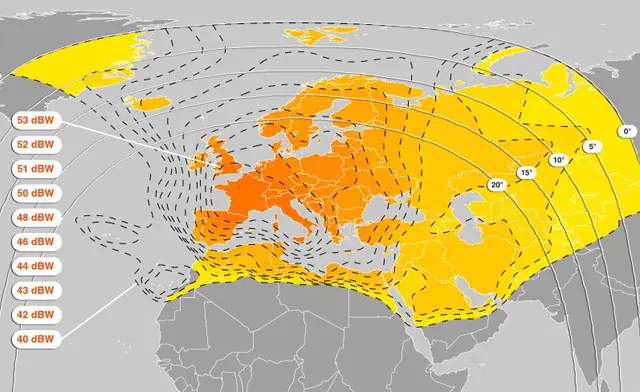
🌐 SuhailSat Coverage
SuhailSat offers excellent coverage over:
-
Qatar
-
Arabian Gulf countries
-
North Africa
-
Levant zone
-
Parts of Europe
Its powerful beams ensure a reliable and strong signal quality, even in remote areas.
SuhailSat stands as a symbol of technological innovation in Qatar, providing secure and high-quality satellite services to millions of watchers and businesses. Whether you’re tuning into your favorite television channels, setting up broadband satellite internet, or managing secure communications, SuhailSat offers a reliable solution.
For full frequency lists, satellite settings, and the latest updates, visit Sat Index — your ultimate guide for satellite technology
Protecting LNB with a Protective Lens
- Use a transparent lens cover to shield LNB from rain and debris.
- Ensure the lens does not obstruct the signal path.
- Regularly clean the lens to maintain signal quality.
- Choose weather-resistant materials for durability.
Receivers and Reception Systems
- Choose receivers compatible with your satellite installation and LNB types.
- Ensure firmware is up-to-date for optimal channel decoding.
- Use receivers with built-in support for DiSEqC and multi-satellite setups.
- Check device specifications for HD/4K support if needed.
Best Ways to Protect Your Satellite Dish from Weather Conditions
- Install the dish in a stable and sheltered location.
- Use rust-resistant mounts and materials.
- Cover the LNB with a weatherproof shield.
- Regularly inspect and maintain all components.
Using Signal Filters to Reduce Interference
- Install band-pass filters to block unwanted signals from other satellites.
- Use LTE/4G filters to prevent mobile network interference.
- Ensure filters are compatible with your LNB and decoder.
- Regularly inspect and clean filters to maintain performance.
Receivers and Reception Systems
- Choose receivers compatible with your satellite installation and LNB types.
- Ensure firmware is up-to-date for optimal channel decoding.
- Use receivers with built-in support for DiSEqC and multi-satellite setups.
- Check device specifications for HD/4K support if needed.
Impact of Weather on Satellite Reception
- Heavy rain, snow, or storms can weaken signal strength.
- Use larger dishes or higher-gain LNBs in areas prone to bad weather.
- Regularly check equipment alignment following severe weather events.
- Consider Ku-band for general use, and C-band for more weather-resilient reception.